For me, an inner-city girl who knows the intricate details of the public transport system, from getting to uni to travelling around a busy city, it didn’t occur to me that in other places such as Belgium, cycling is the preferred form of transport. A particular cycling hub is the city of Ghent, something that I did not realise is, that it is the home of the largest low-traffic zone in all of Europe.
Another rather confusing and unfamiliar thing to me after researching, is that cyclists have right of way on the Belgian roads with bike paths and tunnels decorating the city map. This progressive and environmentally friendly transportation system makes me feel hopeful that other busy cities around the world can reduce carbon emissions by pushing cycling as a main form of transport.
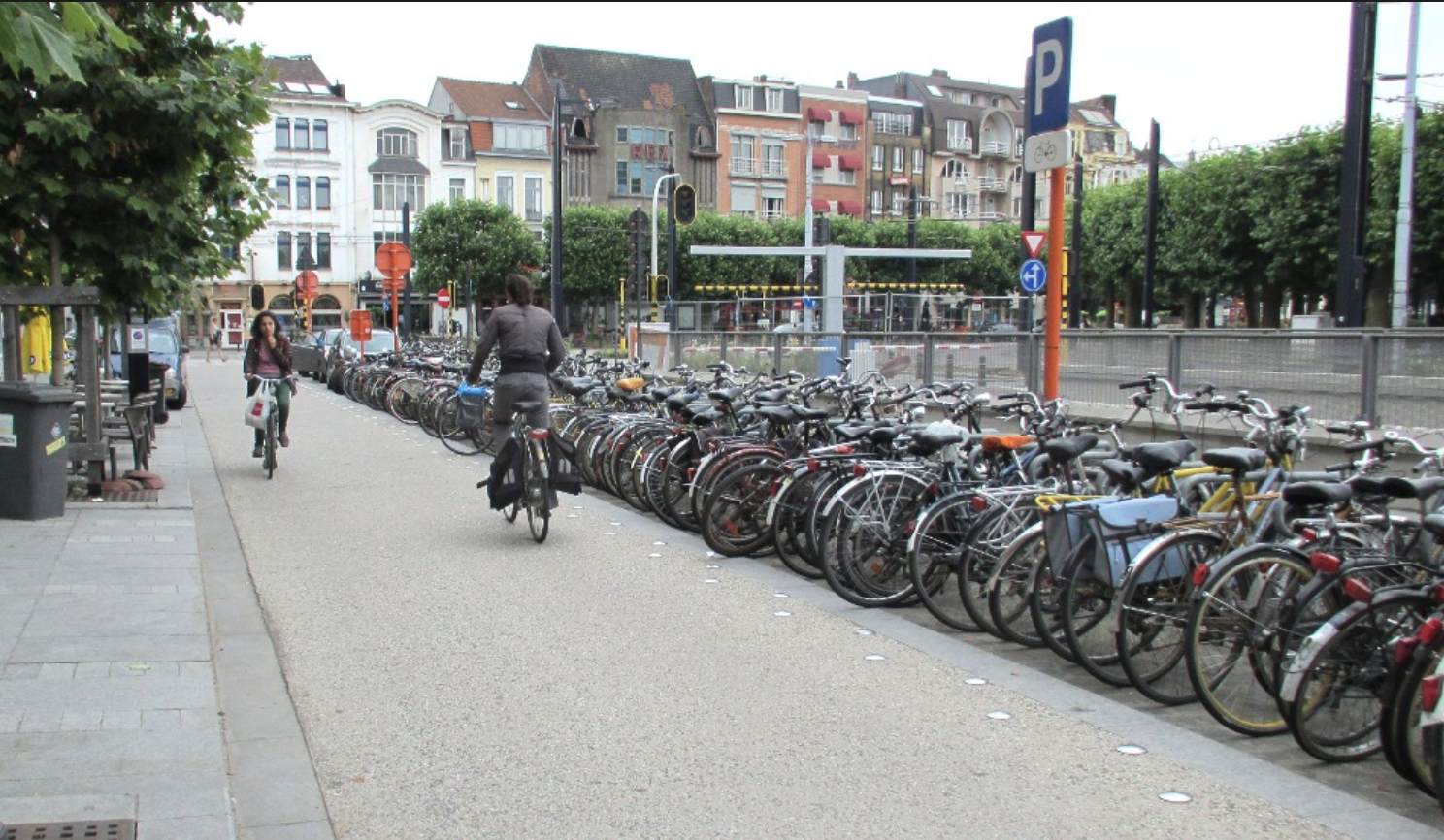
Ghent is a significant cyclist hub which established the first ever bike-only street in Belgium. In my home town, where cycling is somewhat common, there are not as many bike paths and cars are the main form of transport with the city built on main roads filled with cars. Australia could perhaps look at European cities such as Ghent which promote cyclists, to remodel its major cities to make them cyclist and pedestrian friendly.
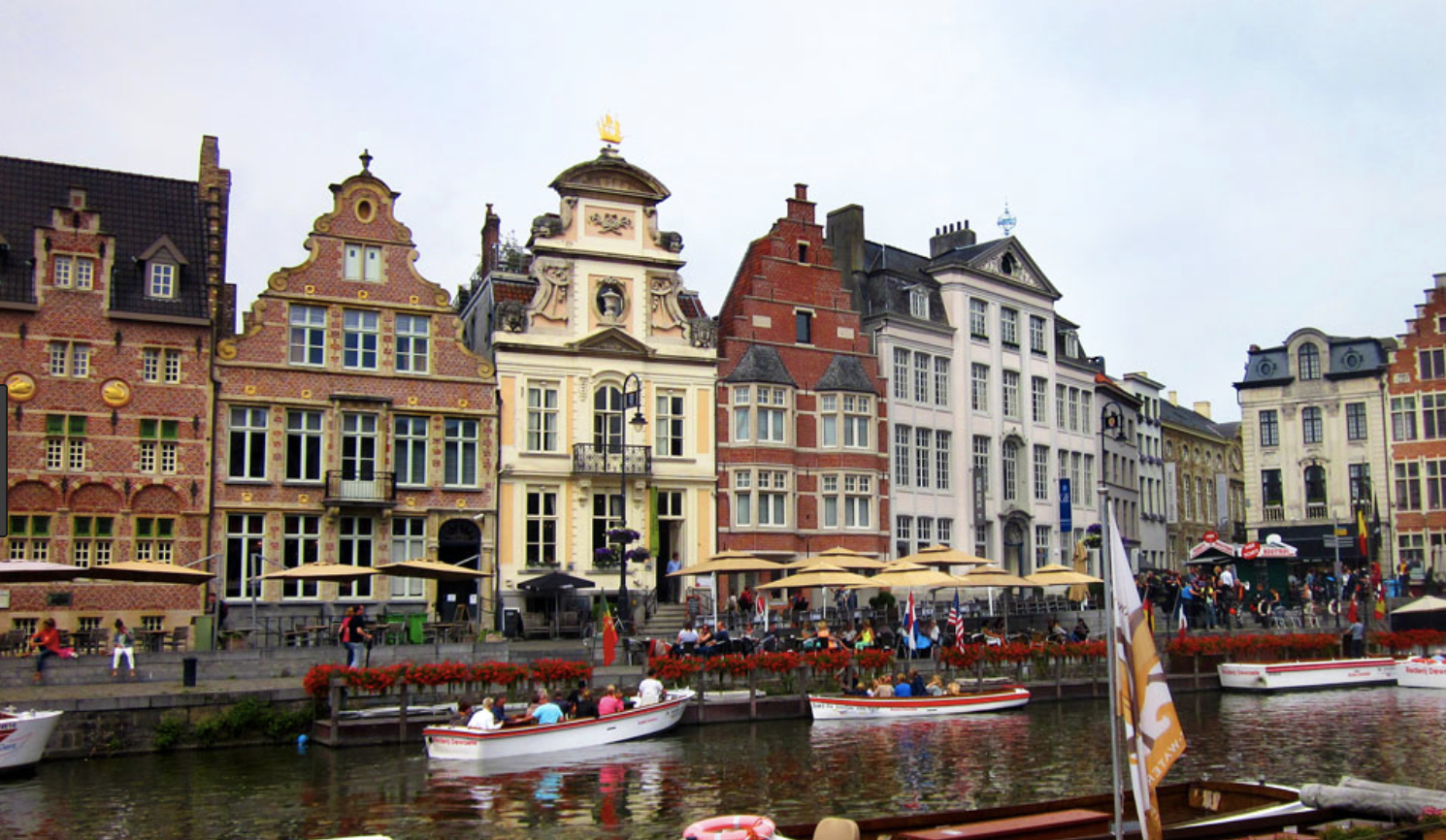
This element of culture shock initially confused me as it is a much different to the dynamic of my home in Australia, but after research and looking deeper into the cyclist-friendly city I really became to love the idea of a cyclist zone. Not only are there environmental benefits, but there are also fitness benefits and a healthier lifestyle.
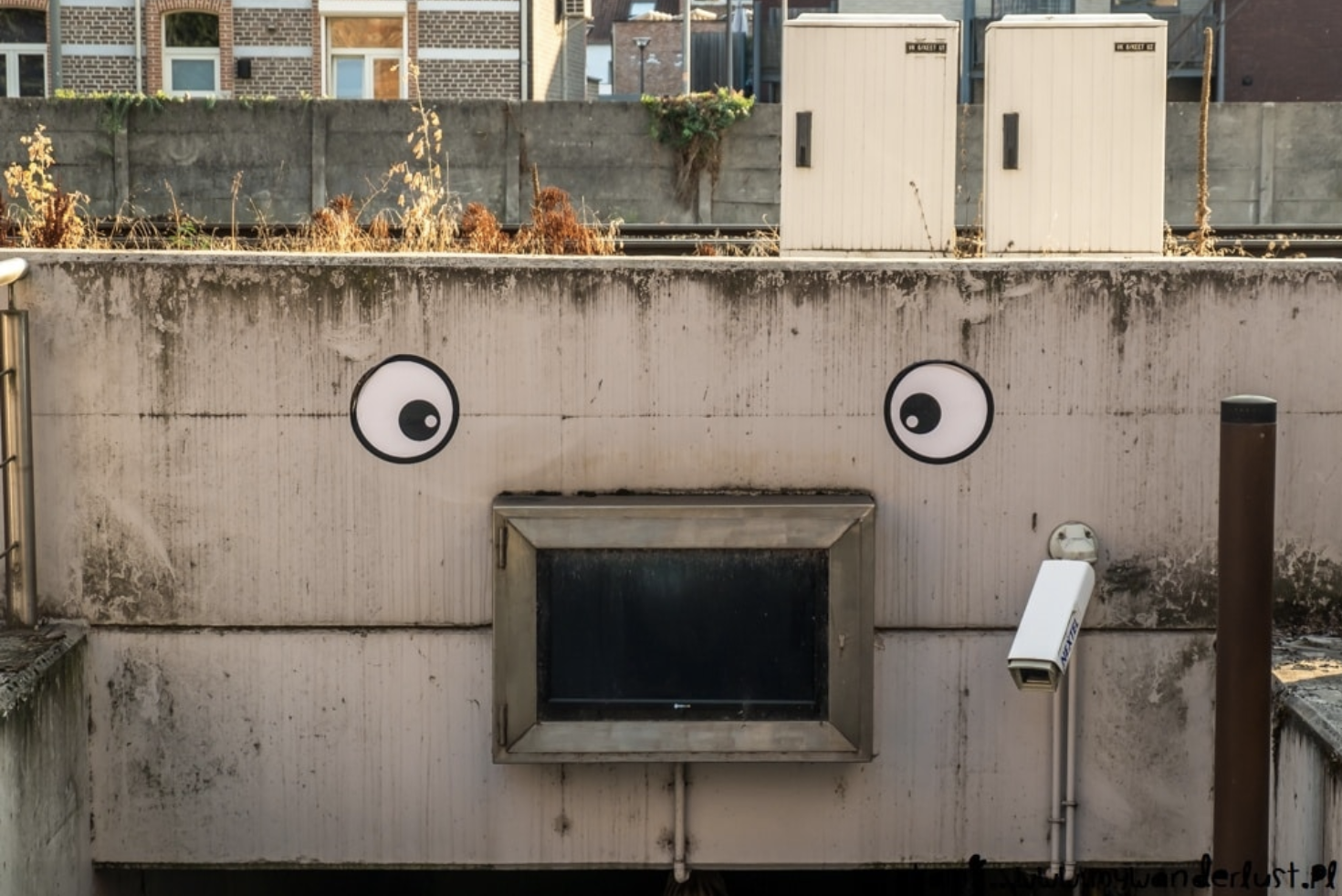
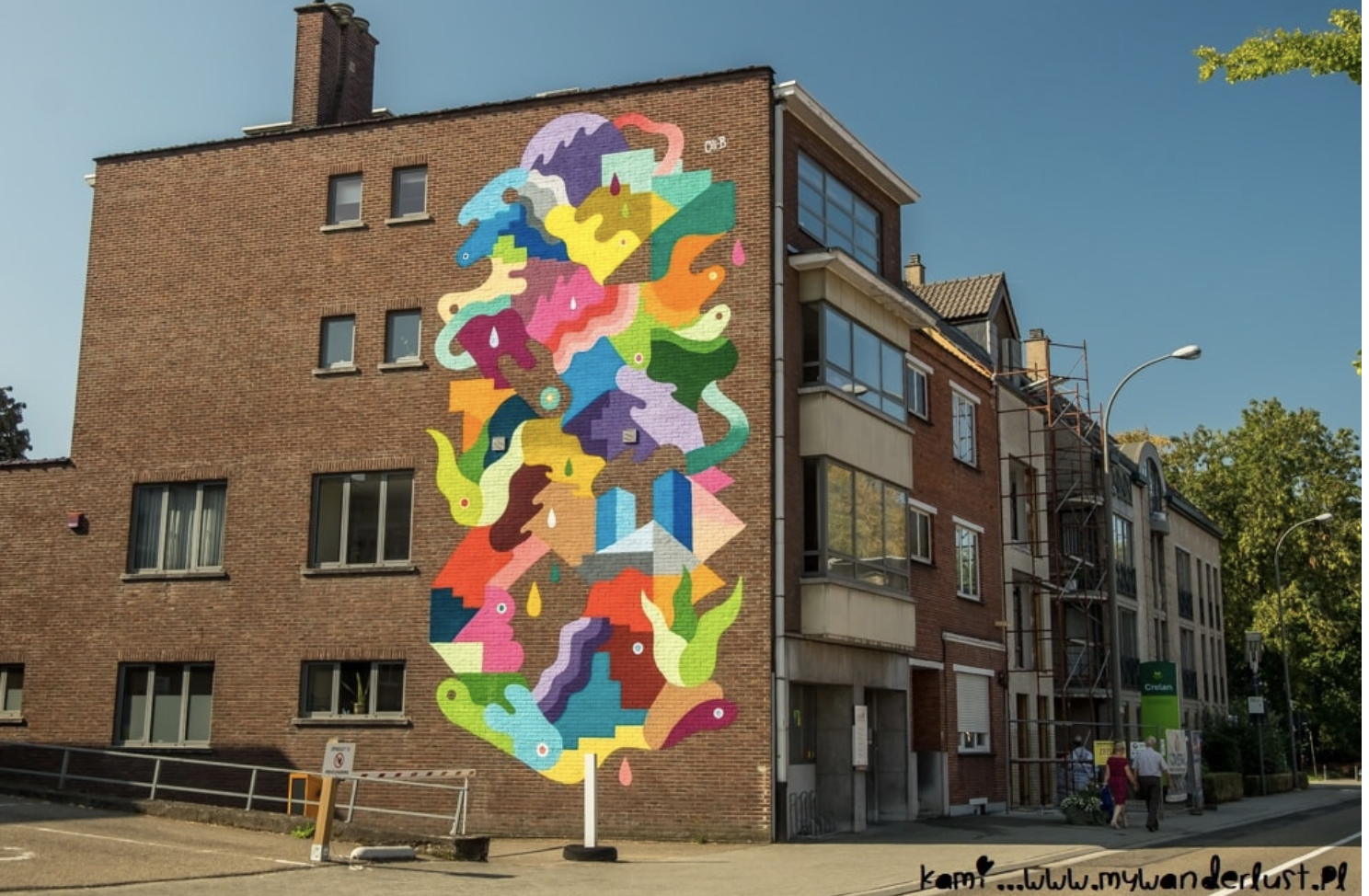
With my interests including street art and photography, there are many bike routes which feature artworks and are key spots for photography. Not only is Ghent environmentally friendly but cycling is a way to explore the city and travel smarter, looking at the landscape without a plan and exploring the hidden layers of the city in order to minimise the culture shock.